
Professor Michel.
The Man. The Discovery.
A French chemist who lived 102 years, isolated creatine in 1832, and built the foundation modern performance science still stands on.
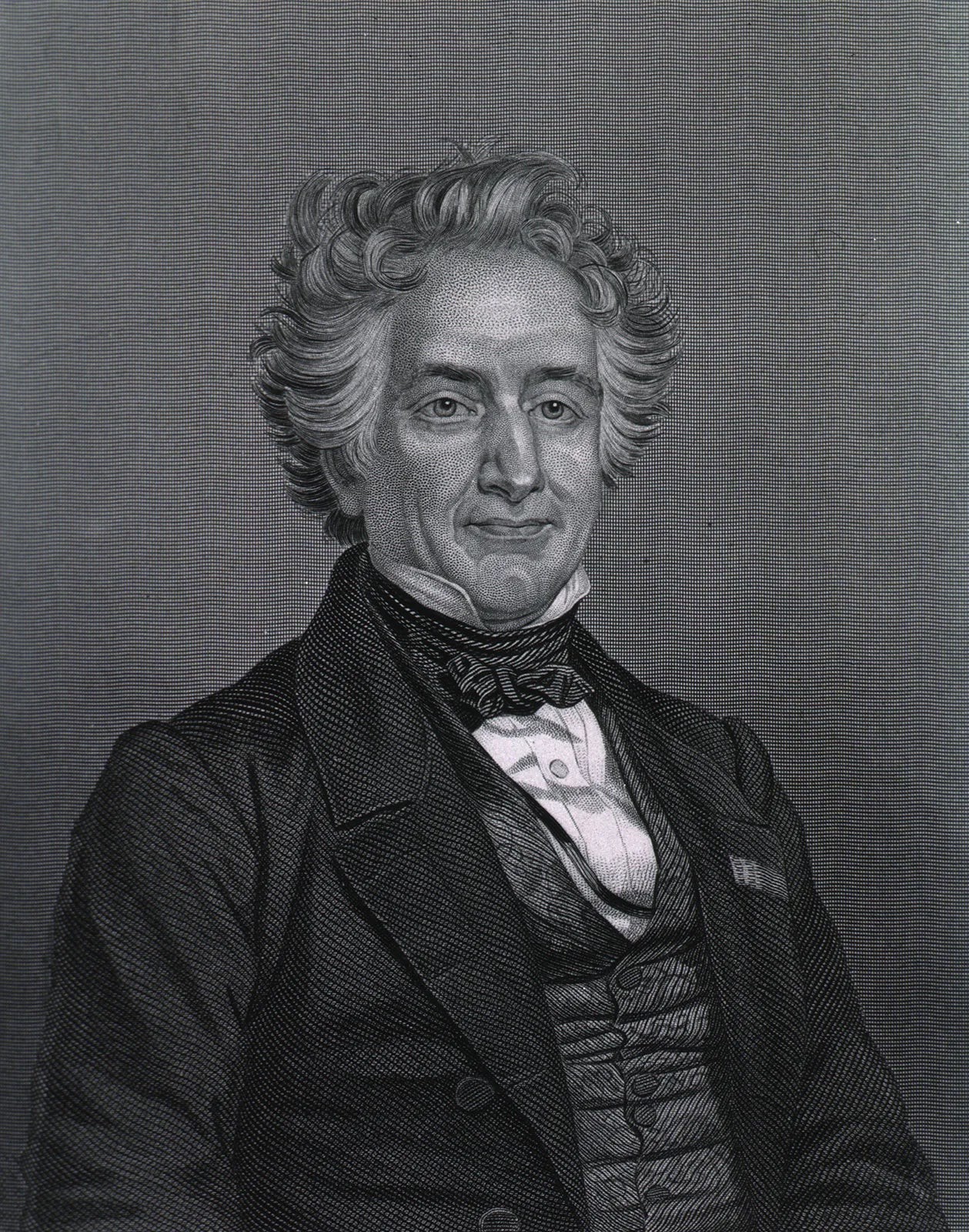
The Man Behind
The Discovery.
In 1832, French chemist Michel Eugène Chevreul made a discovery that would shape our understanding of human performance for two centuries.
Working in his Paris laboratory, he isolated creatine from skeletal muscle tissue. He named it after the Greek word “kreas”—meaning flesh.
Born in 1786, Professor Michel was a pioneer of organic chemistry. His work on fatty acids and muscle biochemistry laid the groundwork for modern nutritional science.
He lived to 102 years old—a testament to his dedication to scientific rigor.
We honor Professor Michel because we believe what he believed: honest research, rigorous science, and results that speak for themselves.
200 Years Perfecting Research.
Foundational Science
Professor Michel’s 1832 discovery opened the door to 200 years of performance research. His work remains foundational to sports science today.
Pure. Simple. Effective.
This is creatine as Professor Michel discovered it. Pure. Simple. Effective. Nothing added. Nothing hidden.
The Art of Living
100 Years.
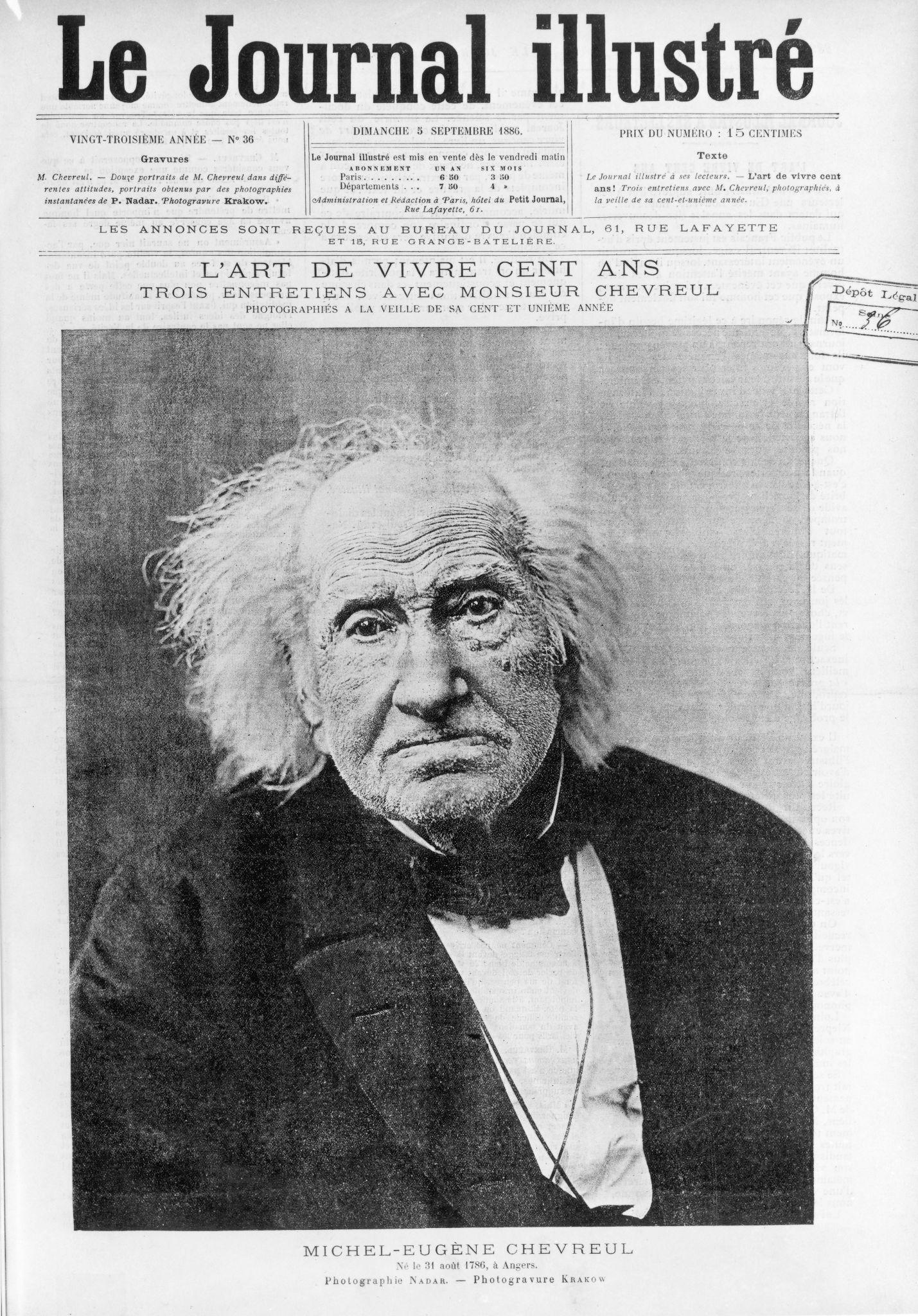
Q: What is your secret to living so long?
A: “It is a question of method… It is easy to know it and, perhaps more difficult to follow it.”
From the original 1886 newspaper feature — L’Art de Vivre Cent Ans — Trois entretiens avec Monsieur Chevreul.
I have never drunk anything but water, and yet I am president of the Anjou wine society, but only honorary president!
Curiosity to know is the starting point of all science. This is why I have always held the title, which is for me the most beautiful, of Dean of Students.
…man makes his own destiny through the observation of natural phenomena that surround him and of himself.
Note that I am far from blaming what I cannot explain; but I will tell you that it must be proven to me, that I must see it.
One must only affirm a fact of which one has positive certainty. — It is not enough to say, one must prove, one must show. I want to show, because it is when I see that I believe.